News
BUREAU VERITAS EXPERTS TO SHOWCASE TAILORED HSE SOLUTIONS AT DURHAM SUMMIT
CW
Event
Forward-Thinking Businesses Must Embrace Circularity to Ensure Compliance and Longevity in a Rapidly Changing World
Jul. 13 2026
Bureau Veritas releases comprehensive guide to navigating circular economy transformation and emerging regulatory requirements
With material extraction reaching a landmark 100 billion tonnes globally and new EU regulations reshaping materials use and waste management, organisations face a critical inflection point. Yet many still view circularity as a regulatory burden rather than a strategic opportunity.
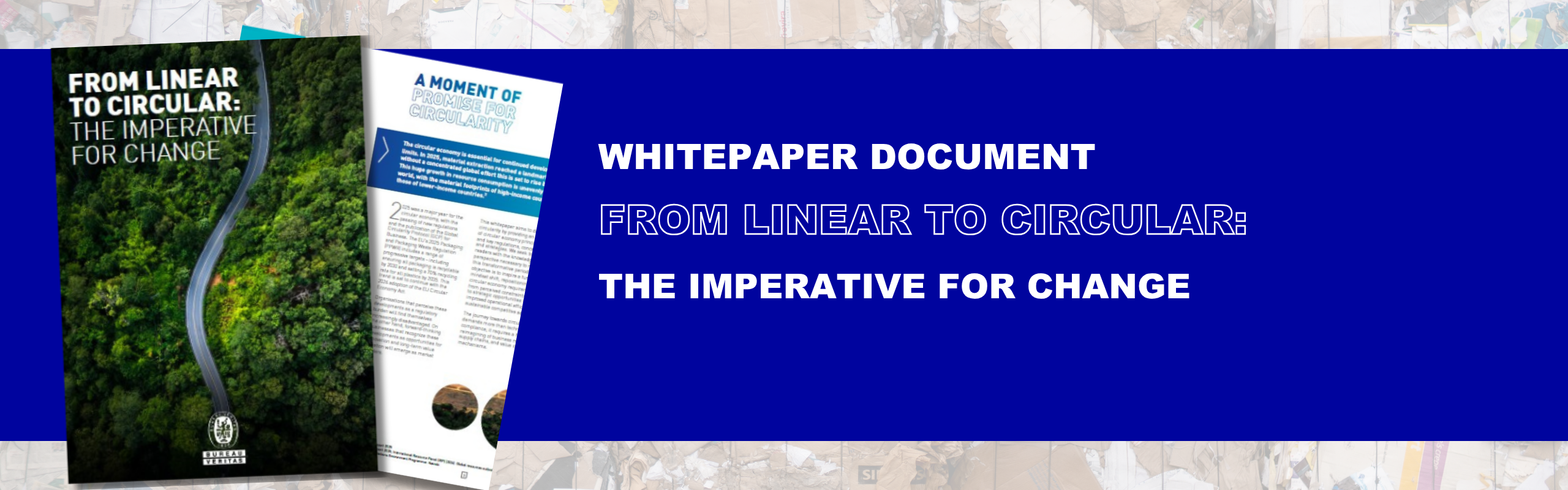
Bureau Veritas has released a new whitepaper, "From Linear to Circular: The Imperative for Change," which demystifies the circular economy and equips organisations with actionable strategies to transform their operations.
The whitepaper reveals a stark reality: the UK currently recycles less than half its waste, with only 7.5% of materials circling back into the economy. Plastic recycling rates remain critically low at just 10%, whilst over 90% of material use comes from virgin sources. Meanwhile, the EU's Packaging and Packaging Waste Regulation (PPWR) mandates that all packaging be recyclable by 2030 and sets a 70% recycling rate target for plastics by 2035.

Senior Sustainability Consultant
Bureau Veritas
Organisations that perceive these developments as a regulatory burden will find themselves increasingly disadvantaged...Forward-thinking businesses that recognise these developments as opportunities for innovation and long-term value creation will emerge as market leaders. Circularity isn't just an environmental imperative. It's a compelling business strategy for long-term growth and resilience.
The whitepaper outlines how circular economy strategies unlock transformative business benefits:
• Enhanced resource efficiency and reduced procurement costs
• Improved brand reputation and attraction of conscious investors
• New revenue streams through innovative business models
• Supply chain resilience by reducing reliance on raw materials
• Competitive advantage through sustainability leadership
Beyond regulatory compliance, the document introduces the Global Circularity Protocol for Business (GCP), a new voluntary framework that could generate $4.5 trillion in economic value by 2030 if widely adopted. The GCP provides standardised methodologies for measuring and communicating circularity to stakeholders, with the potential to yield 100–120 billion metric tonnes of cumulative global material reductions by 2050.
The whitepaper provides a practical "Circularity Launchpad" for organisations beginning their transformation journey, covering:
1. Stakeholder Engagement – Aligning leadership, employees, suppliers, customers, and investors
2. Materials Mapping – Tracking material flows to identify resource optimisation opportunities
3. Compliance & Voluntary Frameworks – Navigating regulatory requirements and adopting standards like ISO 59000 or TRUE Zero Waste
It further guides businesses through strategy development using backcasting, risk and opportunity analysis, the 'R' Principles of circularity, and the DISRUPT framework. All are designed to help organisations move from linear "take-make-dispose" models towards regenerative resource management.
"The journey towards circularity demands more than technical compliance," Rochford adds. "It requires a holistic reimagining of business models, supply chains, and value creation mechanisms. This whitepaper serves as a strategic compass, guiding organisations through the complex yet exciting ground of circular economic transformation."
Organisations seeking to navigate this transformation are encouraged to get in touch with Bureau Veritas's team of circularity experts for customised support, including compliance guidance, GCP advisory services, value chain mapping, and circular strategy development tailored to their specific business context.